

The Ultimate Caravan Holiday Preparation Checklist Before You Hit the Road.
Why Preparing Your Caravan Properly Matters
Nothing beats the excitement of planning your next caravan adventure.
Whether you're heading along the coast for a long weekend or setting off on a lap around Australia, the journey is always more enjoyable when you know your caravan is safe, reliable and properly prepared.
Unfortunately, many caravan owners spend weeks planning destinations, booking caravan parks and packing supplies but overlook some of the most important safety checks before leaving home.
A simple oversight such as incorrect tyre pressures, overloaded axles or poor weight distribution can affect towing stability, braking performance and even place you outside your legal weight limits.
The good news is that most of these risks are completely preventable.
By following a structured pre-trip preparation checklist, you can significantly improve safety, reduce mechanical problems and enjoy greater confidence behind the wheel.
Here is the complete holiday preparation checklist we recommend before every trip.
Your caravan is rarely loaded the same way twice.
Water tanks may be full or empty.
Food, clothing and camping equipment vary from trip to trip.
Passengers, bicycles, generators, recovery gear and extra accessories all change
the overall weight of your towing combination.
Every one of these changes affects how your caravan performs on the road.
Even experienced caravan owners are often surprised to discover that their caravan or tow vehicle exceeds one or more legal weight limits despite believing they had packed carefully.
Proper preparation isn't simply about avoiding fines.
It helps:
Improve towing stability
Reduce sway
Shorten braking distances
Protect tyres
Reduce suspension wear
Improve fuel efficiency
Increase driver confidence
Keep your family safer on the road
Start With a Professional Caravan Weighing
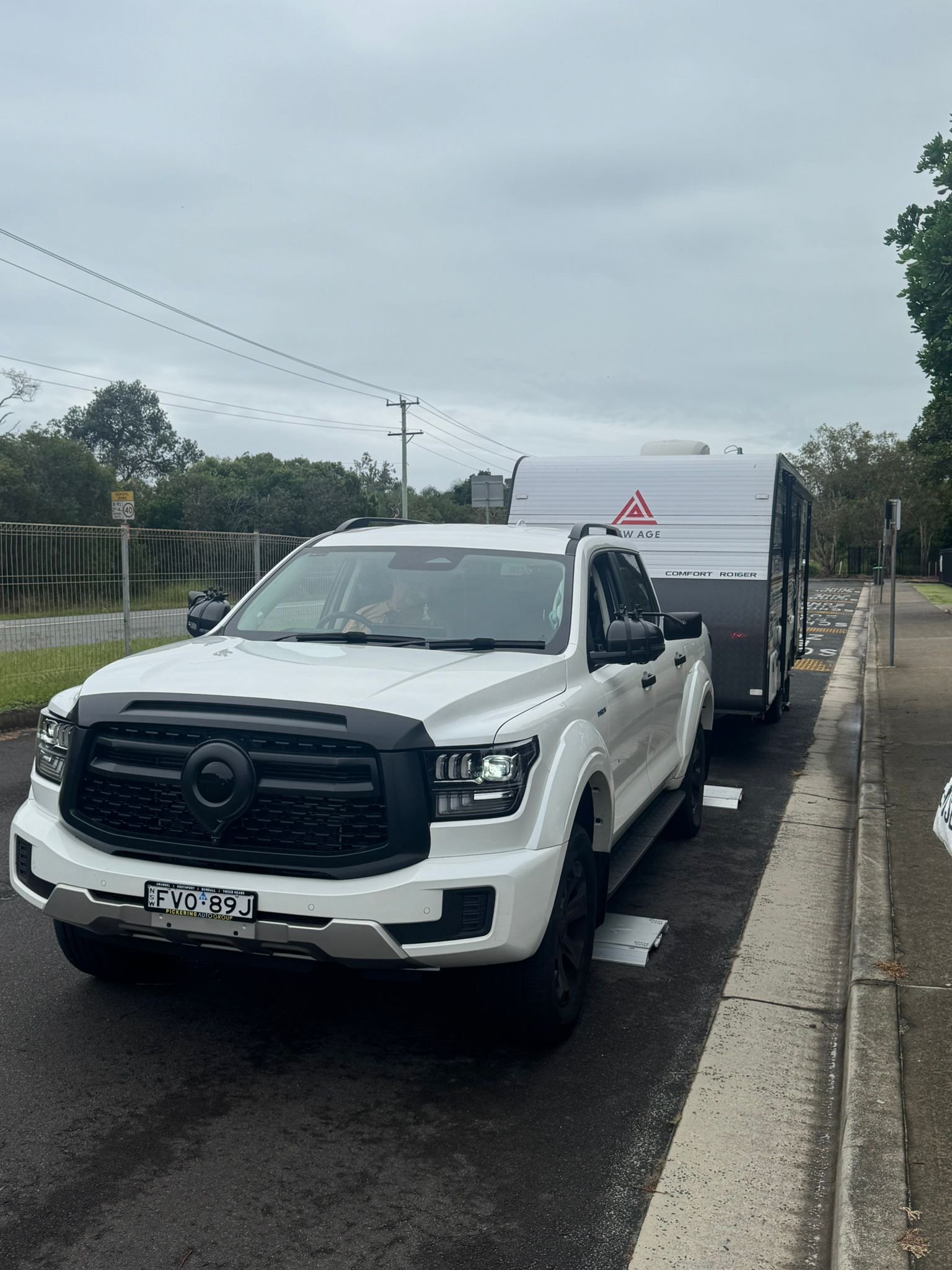
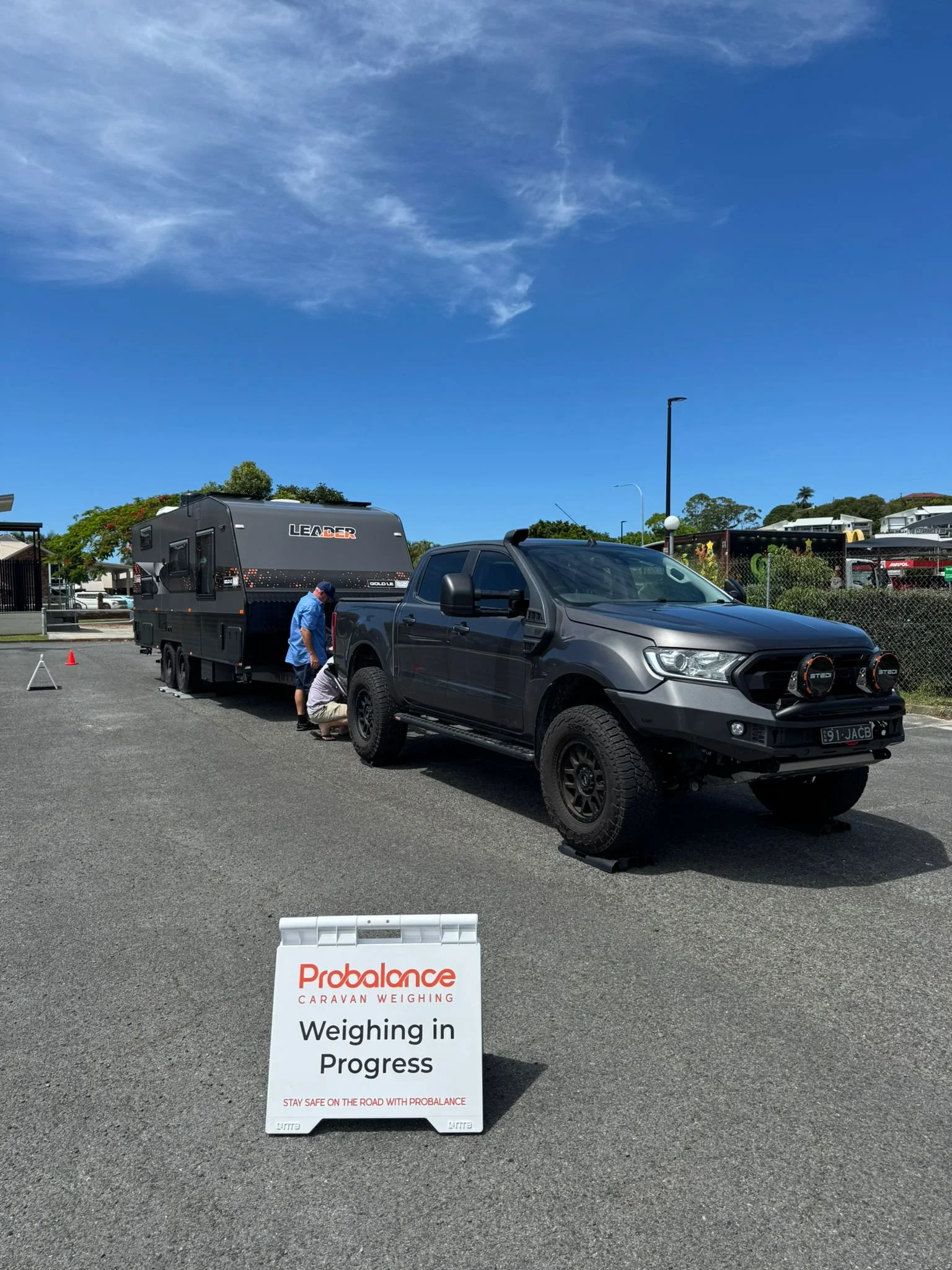
If there is one recommendation that sits above every other item on this checklist, it is having your complete towing setup professionally weighed.
Many people assume they only need to know the ATM of their caravan.
In reality, safe towing depends on understanding how weight is distributed across the entire combination.
This includes:
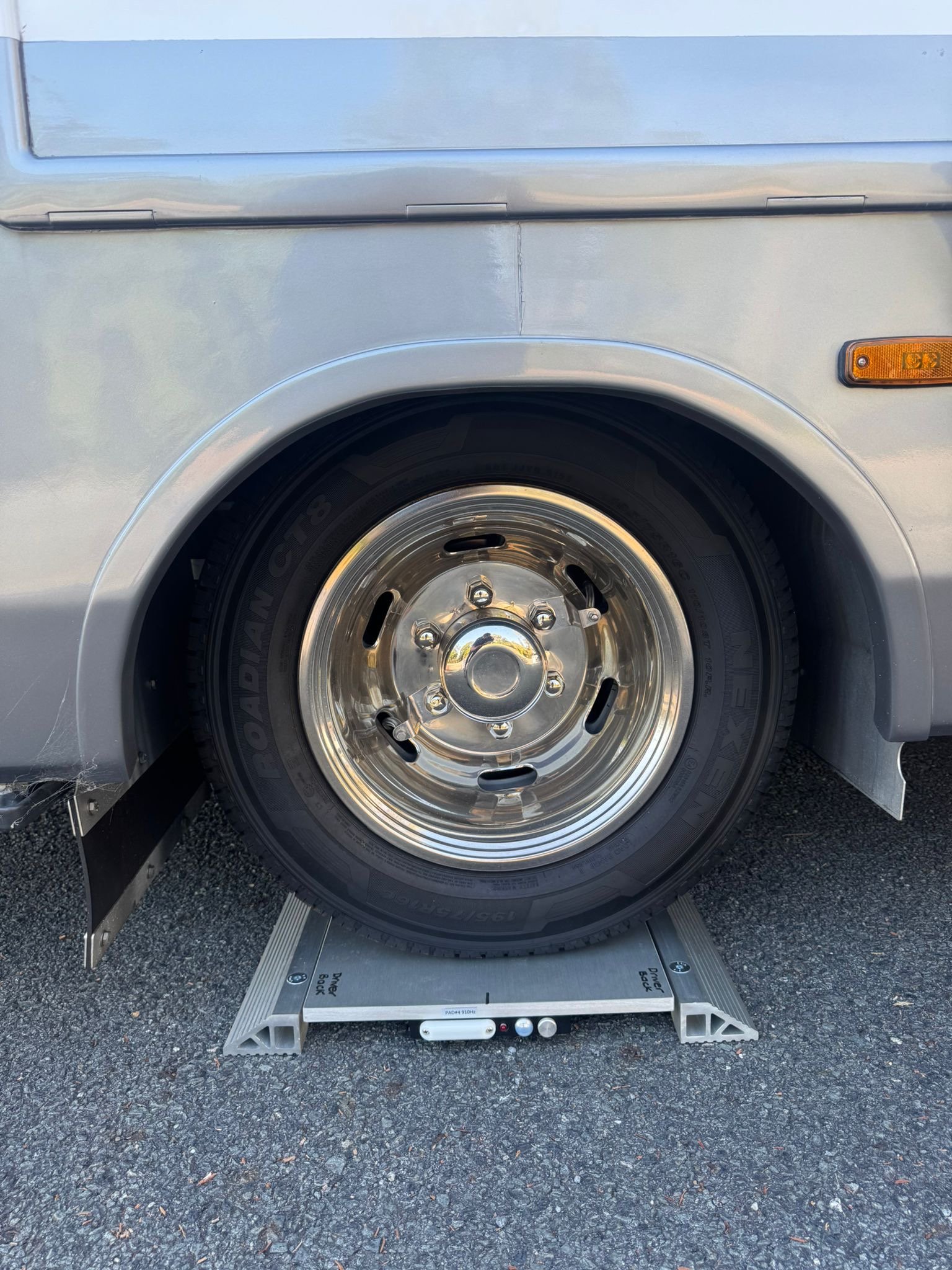
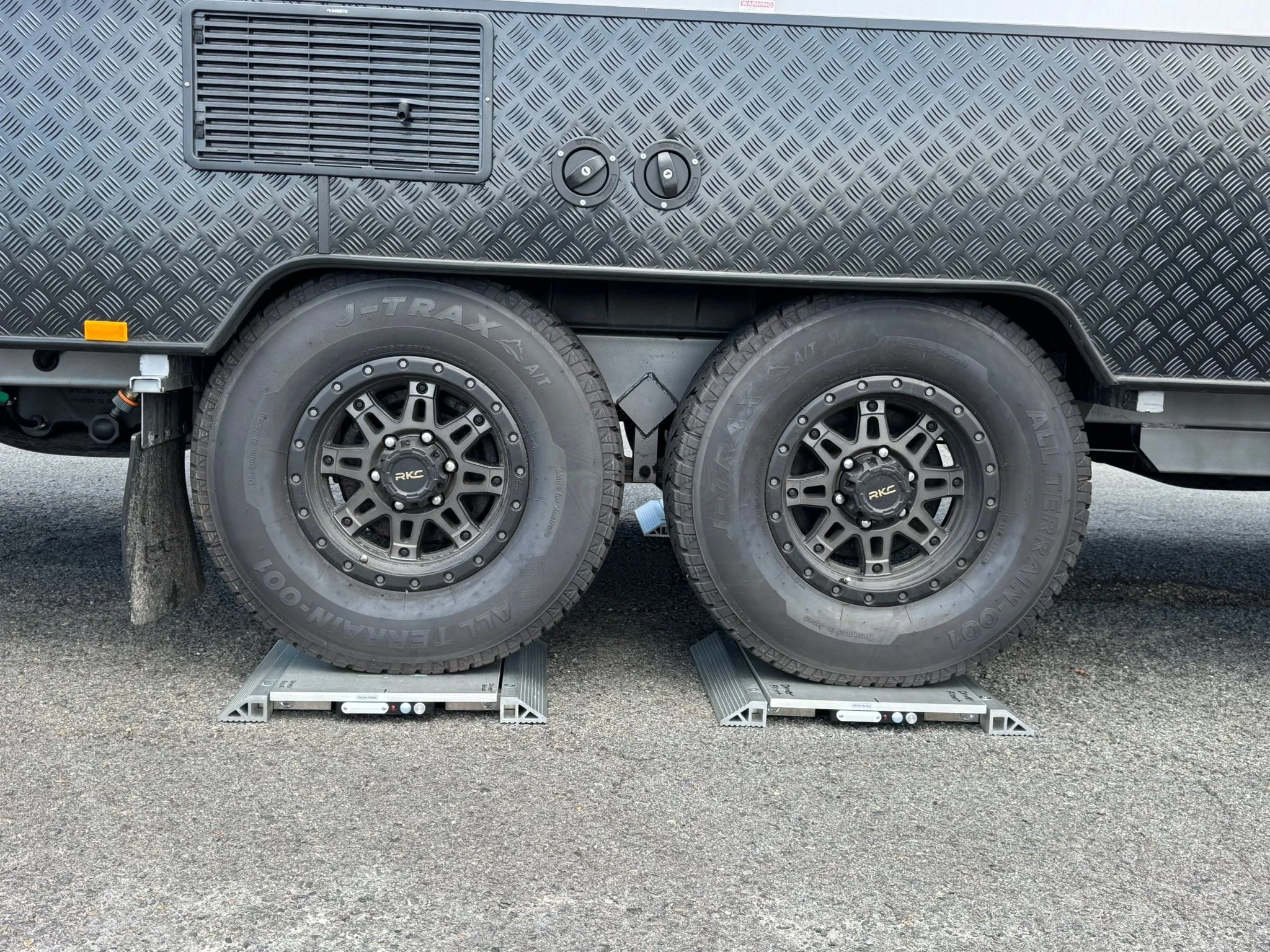
Individual caravan wheel loads
Caravan axle loads
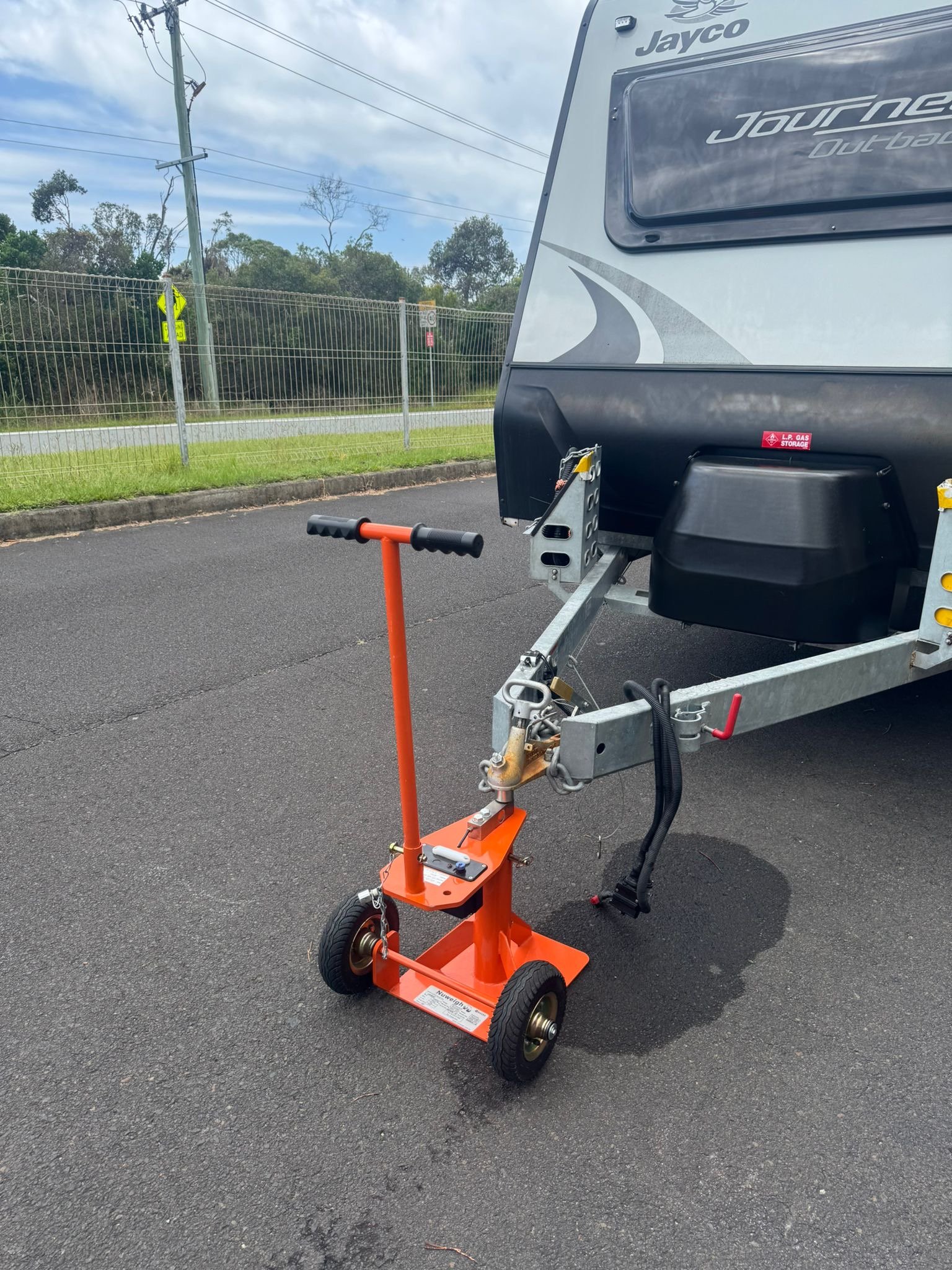
Tow ball weight
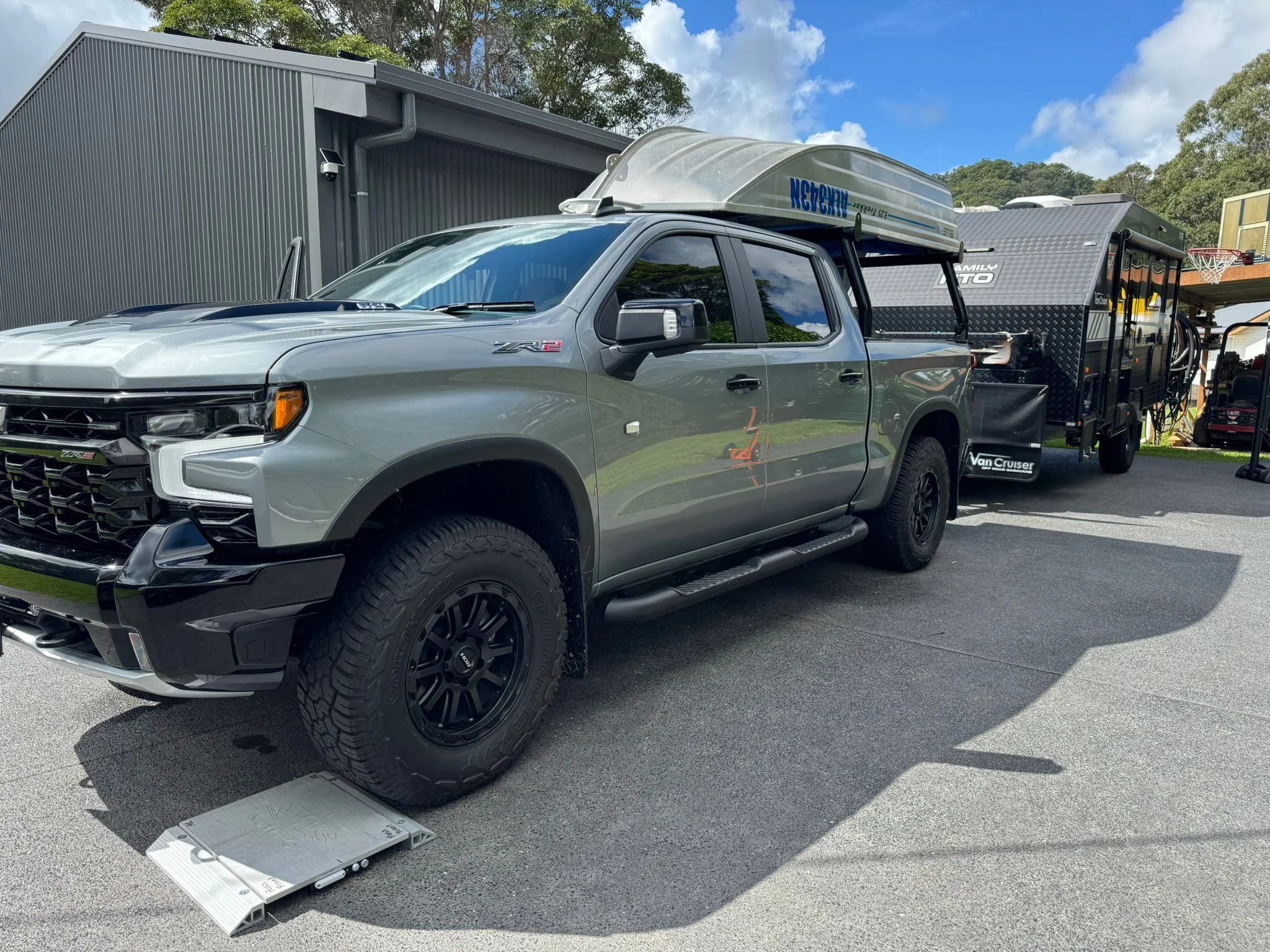
Tow vehicle axle weights
Gross Vehicle Mass (GVM)
Gross Combination Mass (GCM)
Payload
Remaining carrying capacity
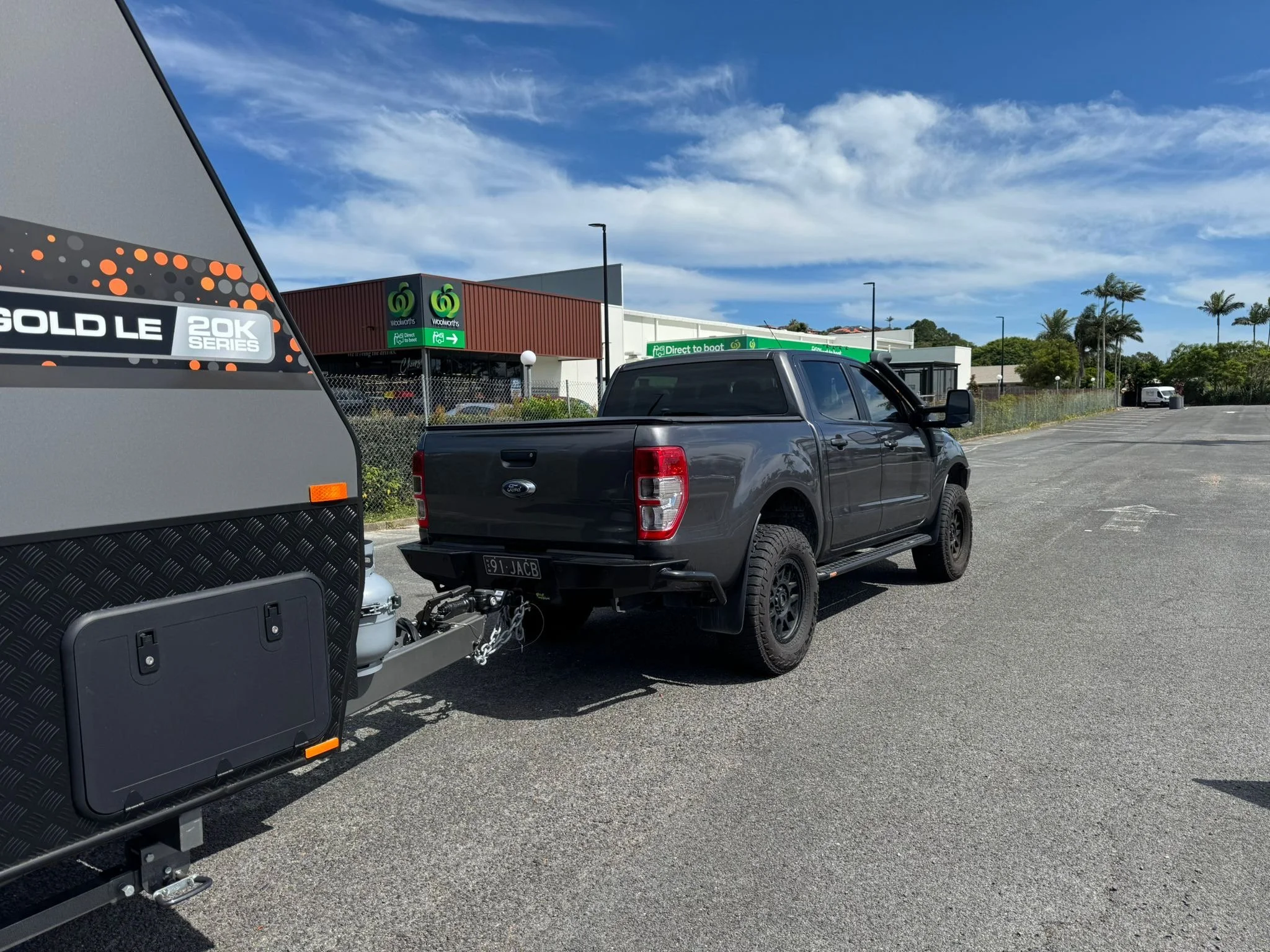
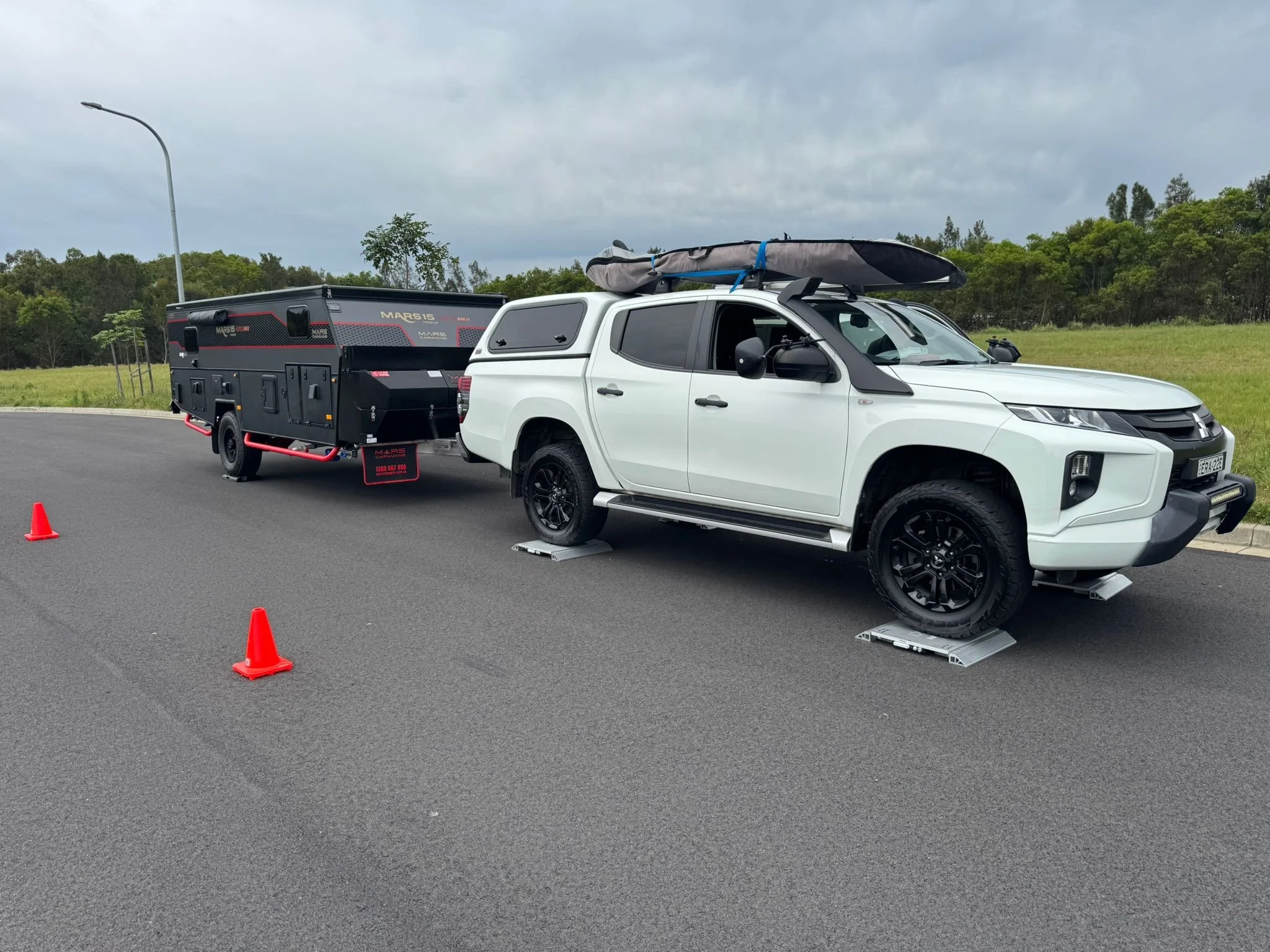
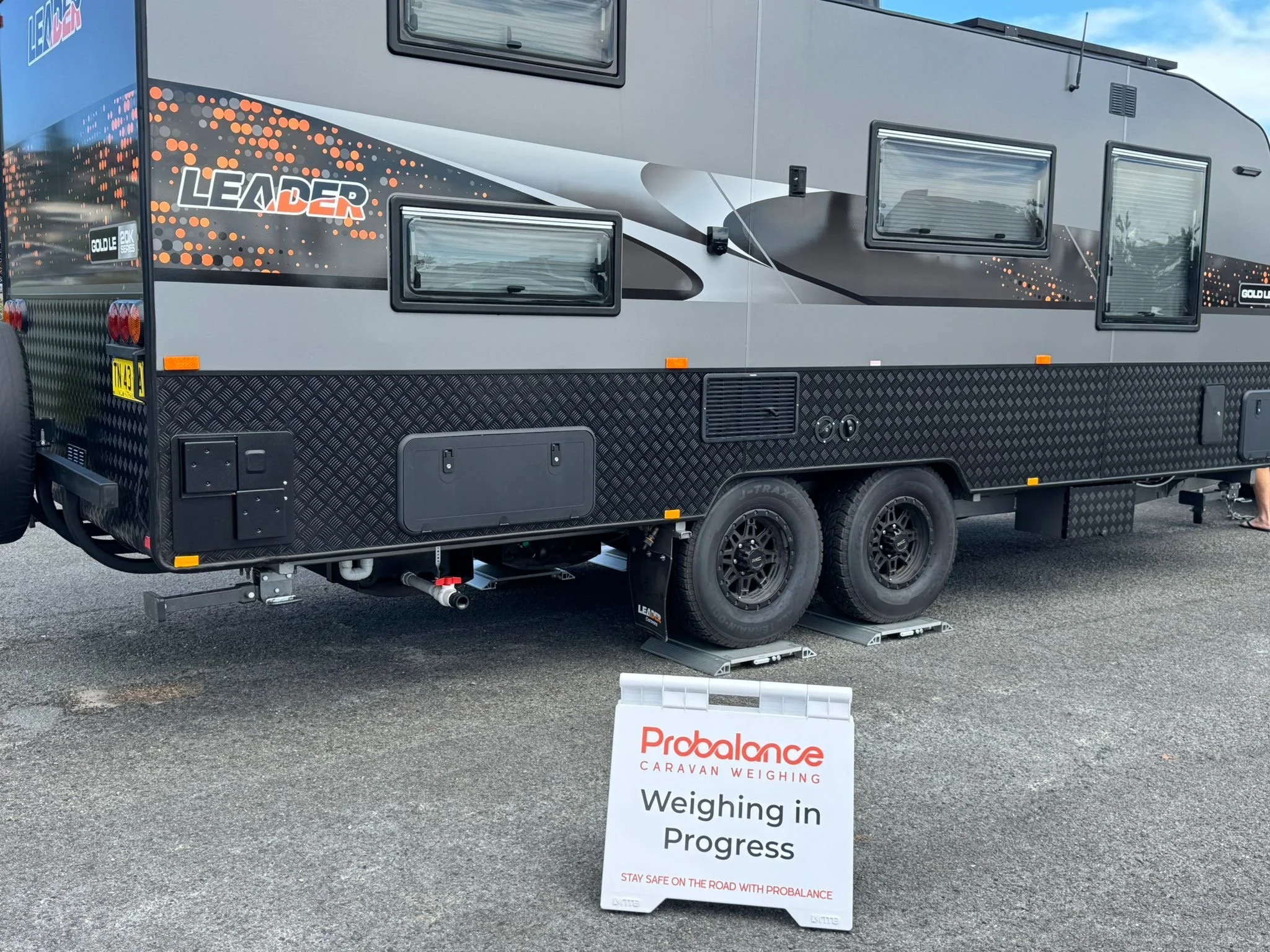
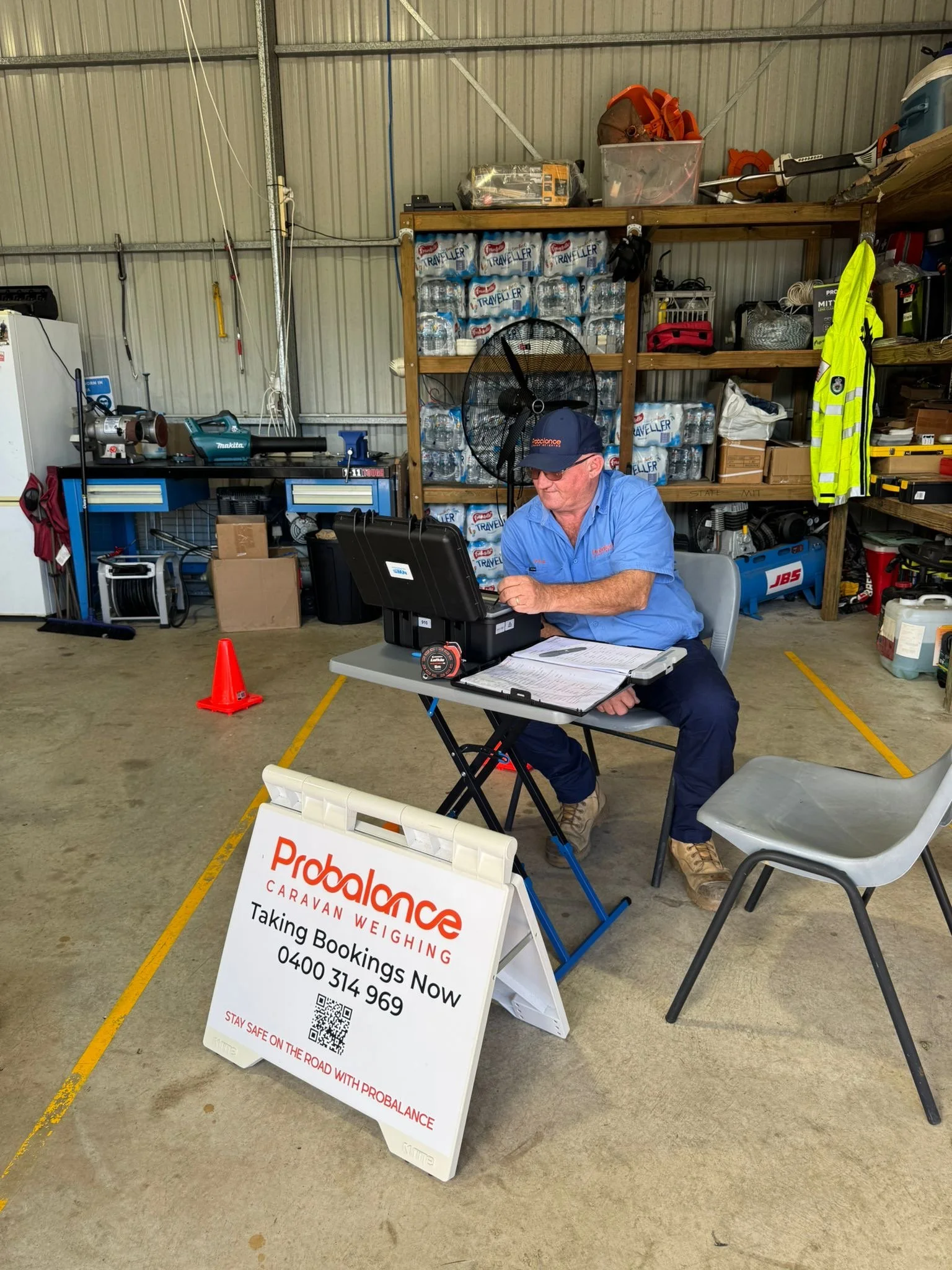
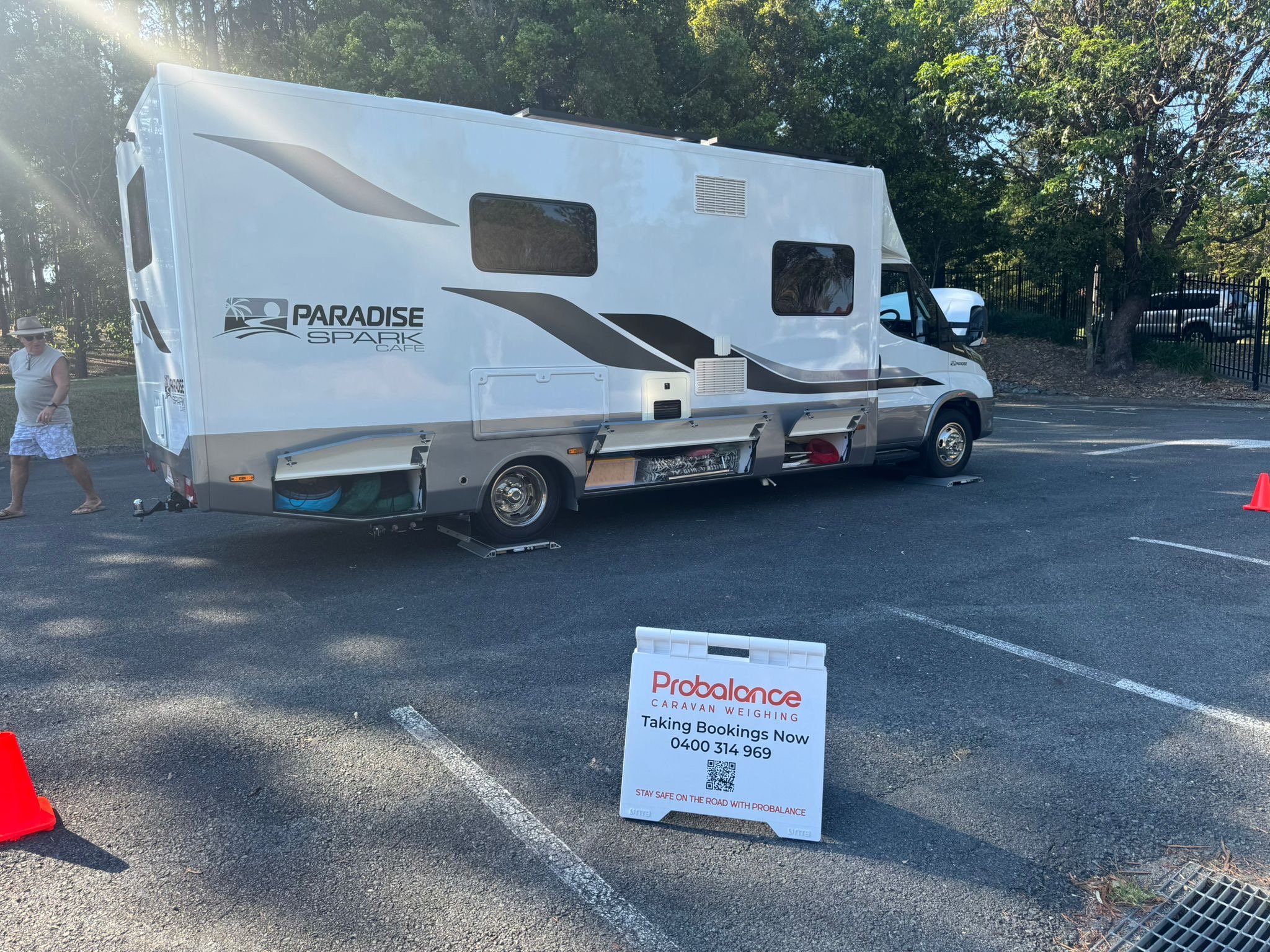
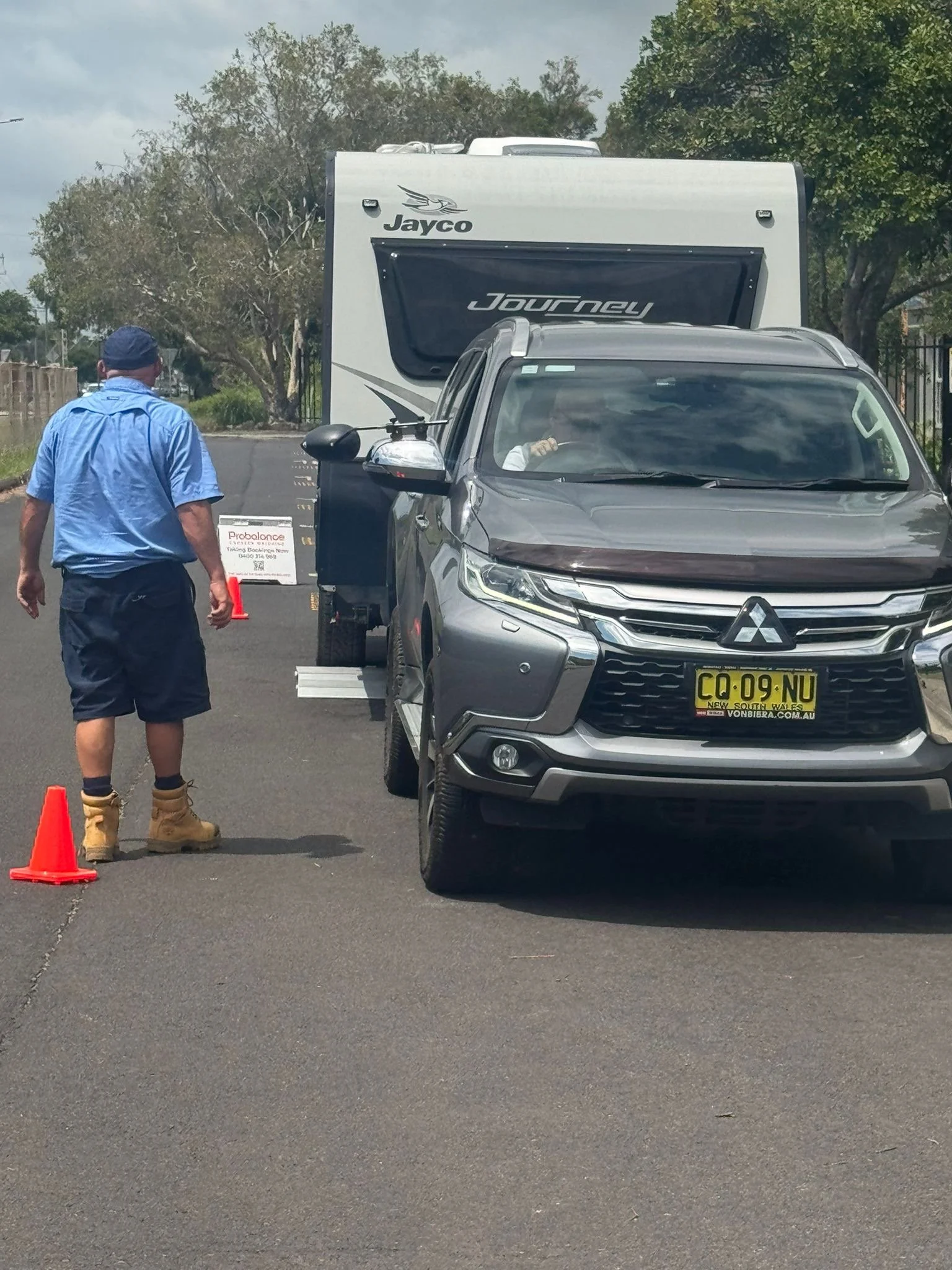
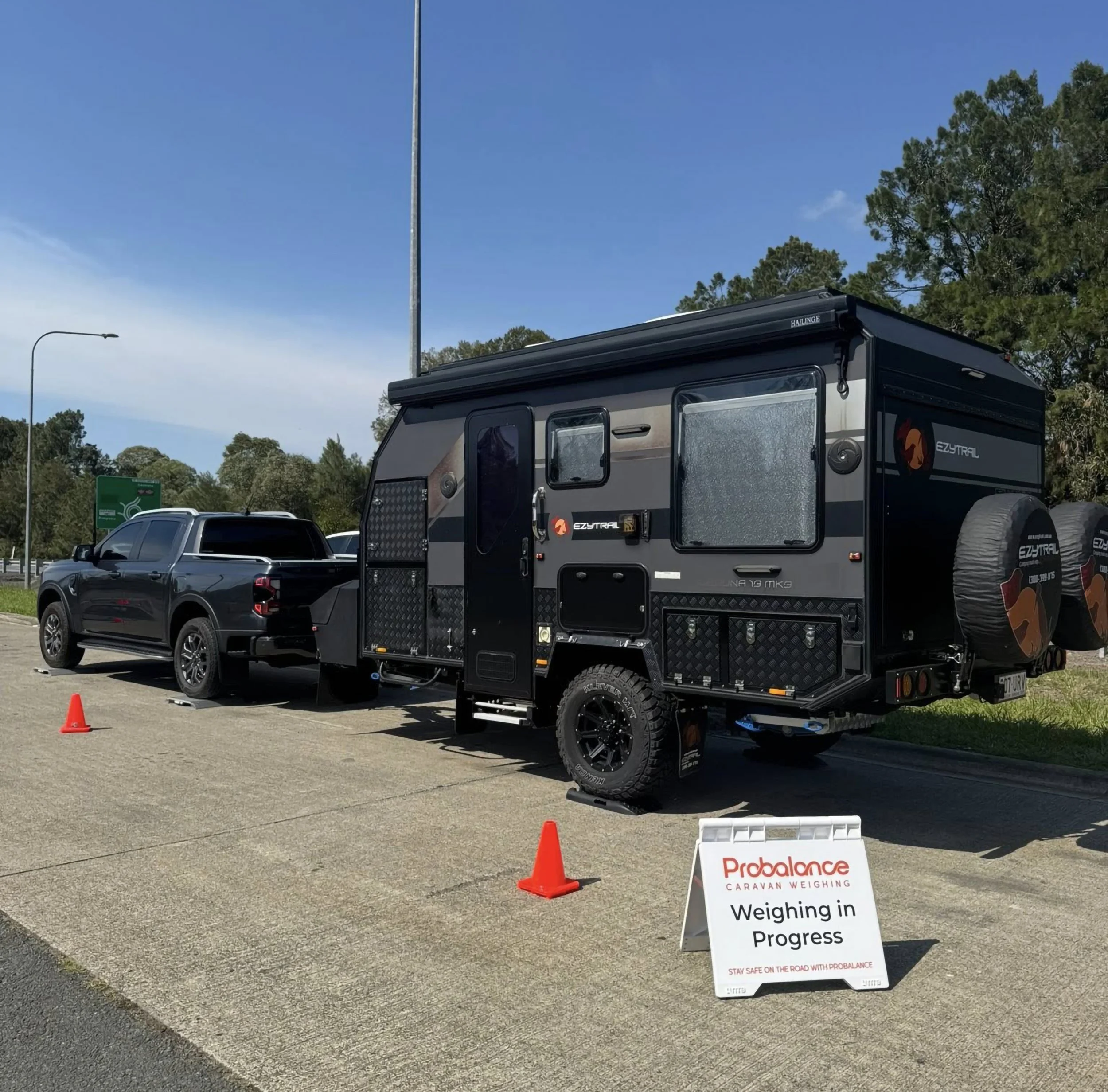
At Probalance Caravan Weighing, we assess the complete towing combination—not just the caravan.
This provides an accurate understanding of how your vehicle and caravan are working together and highlights any issues before they become problems on the road.
It is one of the simplest investments you can make in safer travel.
15 Things to do before you leave
1. Confirm Your Caravan and Tow Vehicle Weights
Knowing your legal limits is essential.
Many caravans travel overweight without their owners realising it.
Likewise, many tow vehicles exceed their allowable payload simply because passengers, luggage, recovery gear and tow ball weight all contribute to the vehicle's total load.
A professional weighing helps confirm you're operating safely within manufacturer specifications.
2. Check Tyre Pressures
Tyres are one of the hardest-working components on any caravan.
Incorrect tyre pressures can lead to:
Excessive heat
Uneven wear
Reduced braking
Poor fuel economy
Increased risk of blowouts
Always check pressures when tyres are cold and adjust them according to the actual loaded weight of
both the caravan and tow vehicle.
3. Inspect Your Tyres
Tyres deserve more than just a pressure check.
Look carefully for:
Cracks
Bulges
Cuts
Uneven wear
Objects embedded in the tread
Low tread depth
Don't forget to inspect your spare tyres as well.
Many caravan owners discover their spare has deteriorated after sitting unused for years.
4. Check Wheel Bearings
Wheel bearings often receive little attention until they fail.
Before travelling:
Listen for unusual noises.
Check for excessive movement.
Service bearings according to the manufacturer's schedule.
Replace worn components before departure.
Bearing failures can quickly end a holiday.
Preventative maintenance is far less expensive than roadside repairs.
5. Test Your Brakes
Your caravan brakes should operate smoothly and consistently.
Check:
Electric brake operation
Breakaway system
Brake controller settings
Brake wiring
Battery condition
A simple test before leaving can identify issues before they become dangerous.
6. Inspect the Tow Hitch and Coupling
The connection between your vehicle and caravan deserves careful inspection before every trip.
Look for:
Correct coupling engagement
Safety chains
Shackles
Locking pins
Breakaway cable attachment
Tow ball wear
Tow hitch damage
Never assume everything is secure because it looked fine on your last trip.
7. Confirm Tow Ball Weight
Tow ball weight is one of the most misunderstood aspects of caravan towing.
Too little weight can increase the likelihood of caravan sway.
Too much weight may overload the rear axle of your tow vehicle.
Professional weighing ensures your tow ball weight falls within safe operating limits while maintaining proper towing balance.
8. Load Your Caravan Properly
Packing isn't simply about fitting everything inside.
Heavy items should be positioned low and close to the axle wherever possible.
Avoid placing excessive weight:
At the very rear
High in overhead cupboards
At the extreme front
Balanced loading contributes significantly to stable towing.
9. Check Lights and Electrical Connections
Confirm that all:
Brake lights
Indicators
Tail lights
Clearance lights
Reverse lights (where fitted)
are operating correctly.
Also inspect plugs, sockets and wiring for corrosion or damage.
10. Inspect Suspension
Suspension works incredibly hard while towing.
Inspect:
Springs
Shock absorbers
Bushes
U-bolts
Mounting points
Look for signs of wear, movement or damage before every major trip.
11. Check Your Gas System
Inspect:
Gas bottles
Regulators
Hoses
Connections
Replace any cracked hoses and ensure cylinders are secured correctly before travelling.
12. Test Batteries and Electrical Equipment
Confirm:
House batteries are fully charged.
Solar systems are functioning.
Battery monitors are operating.
Charging systems are working correctly.
Electrical problems are much easier to solve before leaving home than halfway through your holiday.
13. Carry Essential Safety Equipment
Every caravan should carry:
Fire extinguisher
First aid kit
Wheel chocks
Warning triangle
Torch
Basic tool kit
Jack
Wheel brace
Spare fuses
Being prepared can turn a minor inconvenience into a simple roadside fix.
14. Confirm Registration and Insurance
Before departing, check:
Caravan registration
Tow vehicle registration
Insurance
Roadside assistance
Licence requirements
A quick review now can prevent unnecessary stress later.
15. Complete a Final Walk Around
Before pulling away:
✓ Windows closed
✓ Roof hatches secured
✓ Steps retracted
✓ Awnings locked
✓ Doors latched
✓ Jockey wheel raised
✓ Stabiliser legs up
✓ Power lead disconnected
✓ Water hoses removed
✓ Storage lockers locked
✓ Safety chains connected
✓ Trailer plug connected
✓ Breakaway cable attached
One final walk around takes less than two minutes but can save thousands of dollars in accidental damage.
Enjoy Your Holiday With Confidence
A memorable caravan holiday begins long before you arrive at your destination.
By taking the time to prepare your caravan properly, checking your equipment and ensuring your complete towing combination is safely loaded, you're giving yourself the best chance of an enjoyable and trouble-free trip.
At Probalance Caravan Weighing, we believe the safest journeys start with accurate information. Our mobile weighing service assesses your entire towing setup, helping you understand your weights,
improve load distribution and travel with confidence.
Whether you're heading away for a weekend or planning the adventure of a lifetime, a professional caravan weighing is one of the smartest items you can tick off your holiday preparation checklist.
-
One of the biggest misconceptions in caravan towing is believing that staying below the caravan's ATM automatically means you're legal.
Unfortunately, it's much more complicated than that.
Your towing setup may have limits for:
Caravan ATM
GTM
Tow ball download
Tow vehicle GVM
Front axle load
Rear axle load
Gross Combination Mass (GCM)
Maximum towing capacity
It's entirely possible for your caravan to be under its ATM while your tow vehicle is overloaded because of passengers, luggage and tow ball weight.
Professional weighing measures the complete towing combination so every important limit can be assessed together.
-
Tyres are your only contact with the road, making them one of the most important safety components on your caravan and tow vehicle.
Under-inflated tyres generate excessive heat, increase rolling resistance and wear more quickly.
Over-inflated tyres reduce the tyre's contact patch, leading to harsher handling and reduced grip.
When towing, incorrect tyre pressures can make the caravan feel unstable, increase sway and reduce braking performance.
Always check pressures before travelling and adjust them according to the manufacturer's recommendations and the actual loaded weight of your vehicle and caravan.
-
Tow ball weight is the downward force your caravan places on the tow ball.
Too little download may reduce stability and increase the likelihood of caravan sway.
Too much can overload your rear axle, reduce steering performance and exceed your vehicle's payload limits.
Finding the correct balance requires understanding the complete weight distribution of your towing combination.
Professional weighing provides accurate tow ball weight measurements and allows recommendations to improve overall towing performance.
-
Water weighs approximately one kilogram per litre.
That means a 100-litre water tank adds around 100 kilograms before you've packed anything else.
Many caravans carry multiple water tanks, meaning several hundred kilograms can be added simply by filling them before departure.
Travelling with unnecessary water may reduce available payload and contribute to exceeding legal weight limits.
Understanding your actual travelling weight helps determine whether travelling with full tanks is appropriate for your journey.
-
How you load your caravan is just as important as how much it weighs.
Heavy items stored high or too far towards the rear of the caravan can alter the centre of gravity and reduce stability.
Ideally, heavier equipment should be positioned low and close to the caravan axle wherever practical.
Even small adjustments can noticeably improve towing behaviour.
Combined with professional weighing, correct loading helps create a safer, more predictable towing experience.
-
A consistent pre-trip inspection helps identify small issues before they become expensive or dangerous.
Your inspection should include:
Tyre condition
Tyre pressures
Wheel nuts
Wheel bearings
Brake operation
Breakaway system
Suspension components
Tow coupling
Safety chains
Trailer plug
Lighting
Gas bottles
Battery systems
Solar charging
Registration
Insurance
Finishing with a complete walk-around before departure ensures nothing has been overlooked.
Client Reviews
“So helpful and professional”
We had no idea how overweight our setup actually was until we had it properly weighed by Pro Balance. They explained everything clearly and gave us a full report we could actually understand. It’s given us so much more confidence on the road — highly recommend their service!
— Karen & Paul
“Great Service”
Being new to caravanning, we weren’t sure what to expect, but Paul and Deb were so friendly and thorough. They came to us, did all the checks, and gave us advice on how to better distribute our load. We now feel safer and better informed.
— Mark & Louise