
Caravan Weights & Legal Limits - FAQ’s
Understanding Caravan Weights Is the Foundation of Safe Towing
If you've spent any time researching caravans or tow vehicles, you've probably come across terms like ATM, GTM, GVM, GCM and tow ball weight. For many caravan owners, particularly those new to towing, these abbreviations can seem confusing and overwhelming. Yet understanding what they mean is one of the most important steps towards towing safely, protecting your investment and remaining legally compliant on Australian roads.
One of the biggest misconceptions in the caravanning community is that towing safety is simply about staying below your caravan's advertised towing capacity. In reality, your towing combination is governed by a number of different weight limits, each serving a specific purpose. Exceeding any one of these limits can affect vehicle handling, braking performance, tyre wear, suspension components and legal compliance, even if all the other limits are within specification.
That's why understanding caravan weights isn't just about avoiding fines, it's about protecting yourself,
your passengers and everyone else sharing the road.
-
Gross Trailer Mass (GTM) refers to the weight carried by your caravan's axle or axles while the caravan is coupled to your tow vehicle.
Unlike ATM, GTM does not include the portion of weight transferred onto the tow vehicle through the tow ball.
This is why GTM is always lower than ATM.
Understanding GTM is important because your caravan's suspension, wheels, tyres and axles are designed to safely carry only a certain amount of weight. Exceeding the GTM can overload these components, reducing towing safety and potentially causing premature wear or failure.
-
Aggregate Trailer Mass, commonly known as ATM, is one of the most important weight ratings for any caravan owner to understand.
It represents the maximum total weight your caravan is permitted to weigh when it is fully loaded for travel and standing on its own wheels and jockey wheel, without being attached to your tow vehicle.
The ATM includes everything carried in the caravan, including:
Water
Gas bottles
Food
Clothing
Camping equipment
Batteries
Solar systems
Personal belongings
Accessories fitted to the caravan
The ATM is determined by the caravan manufacturer and appears on your caravan's compliance plate.
Exceeding your caravan's ATM means the caravan is operating beyond its designed capacity, which can affect safety, braking performance, tyre wear and legal compliance.
-
Tare Mass is often misunderstood because many owners assume it represents the weight they'll actually tow.
In reality, Tare Mass is simply the caravan's factory weight before it is loaded for travel.
Depending on the manufacturer, Tare Mass generally includes the standard equipment fitted at the factory but excludes most of the items you'll add before heading away.
Once water, gas bottles, food, clothing, camping equipment and accessories are loaded, your travelling weight will almost always be significantly higher than the Tare Mass.
For this reason, Tare Mass should be viewed as a starting point, not your actual travelling weight.
-
Payload is one of the most practical weight figures for caravan owners because it tells you how much carrying capacity remains.
It is generally calculated by subtracting the caravan's Tare Mass from its Aggregate Trailer Mass (ATM).
Your payload includes everything added after the caravan leaves the factory, including:
Water
Gas
Food
Clothing
Camping furniture
Batteries
Solar equipment
Toolboxes
Bikes
Personal belongings
Knowing your available payload helps prevent accidental overloading and allows you to pack more confidently.
-
Gross Vehicle Mass (GVM) refers to the maximum allowable weight of your tow vehicle, including everything it carries.
This includes:
Driver
Passengers
Fuel
Luggage
Recovery gear
Canopies
Bull bars
Roof racks
Toolboxes
Accessories
Tow ball weight from the caravan
Many people focus solely on the caravan's weight and overlook the tow vehicle. However, it's quite common for the vehicle to exceed its GVM before the caravan reaches its own legal limits.
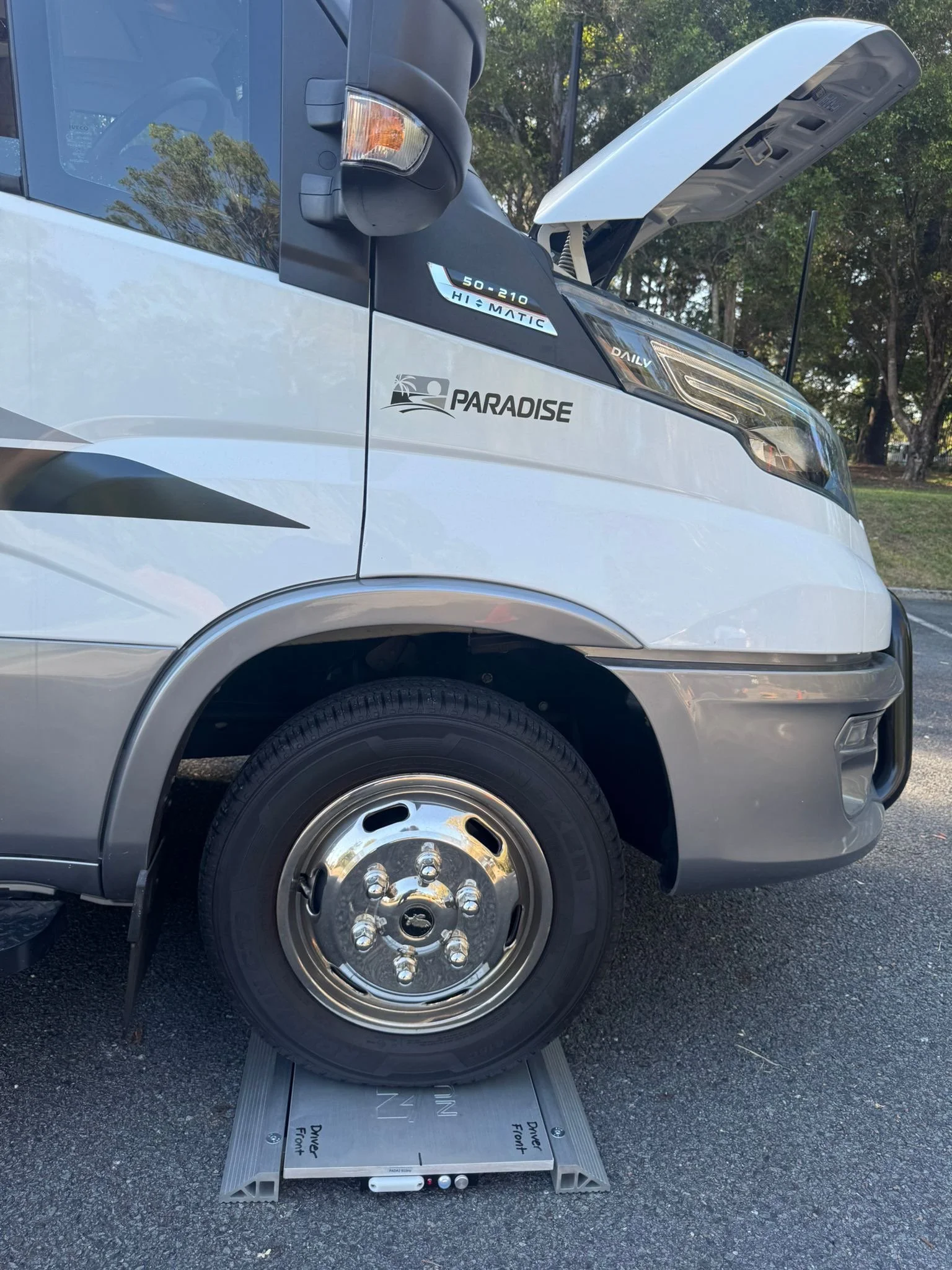
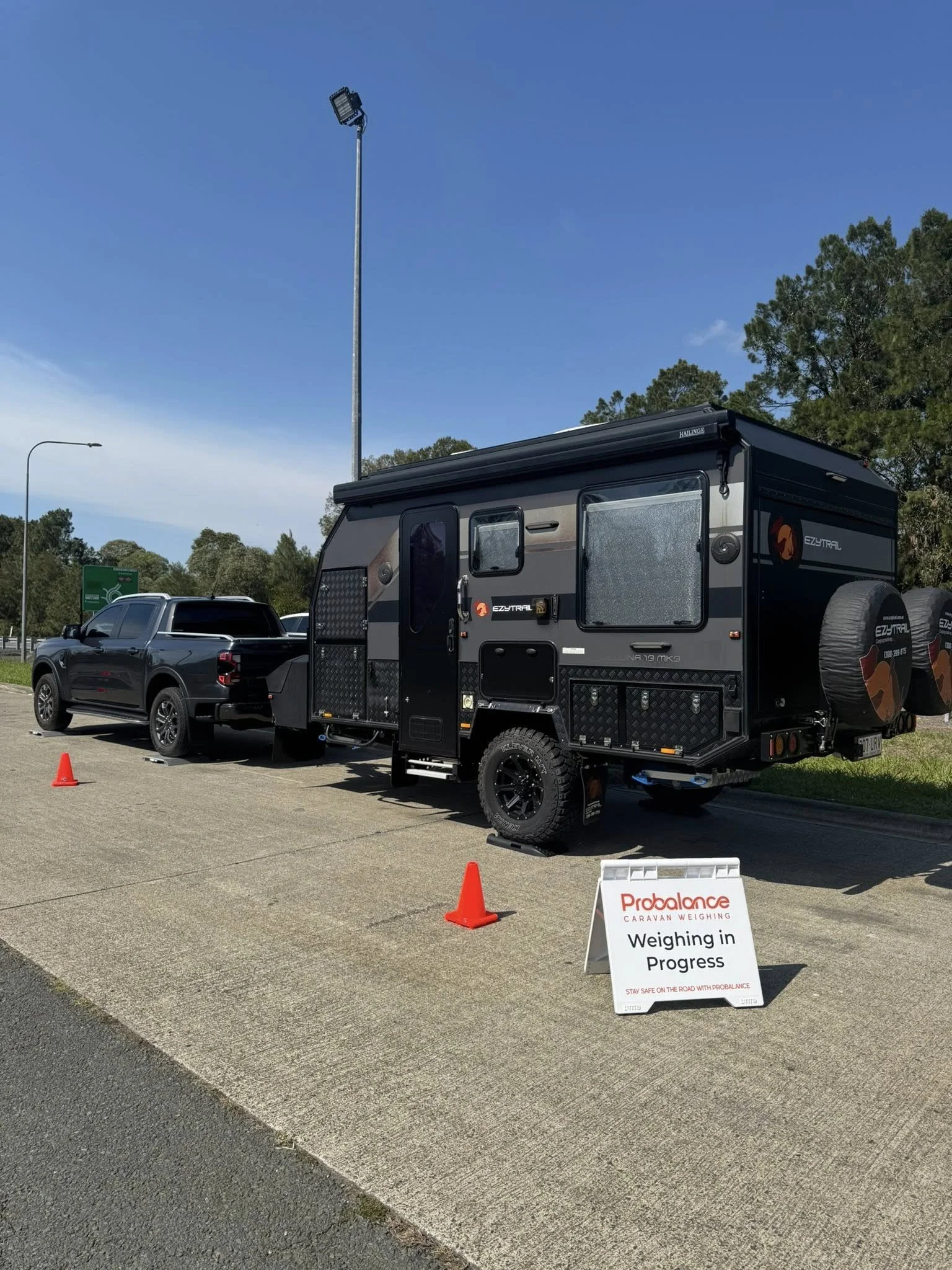
Professional weighing checks both the caravan and the tow vehicle to ensure the complete towing combination complies with manufacturer specifications.
-
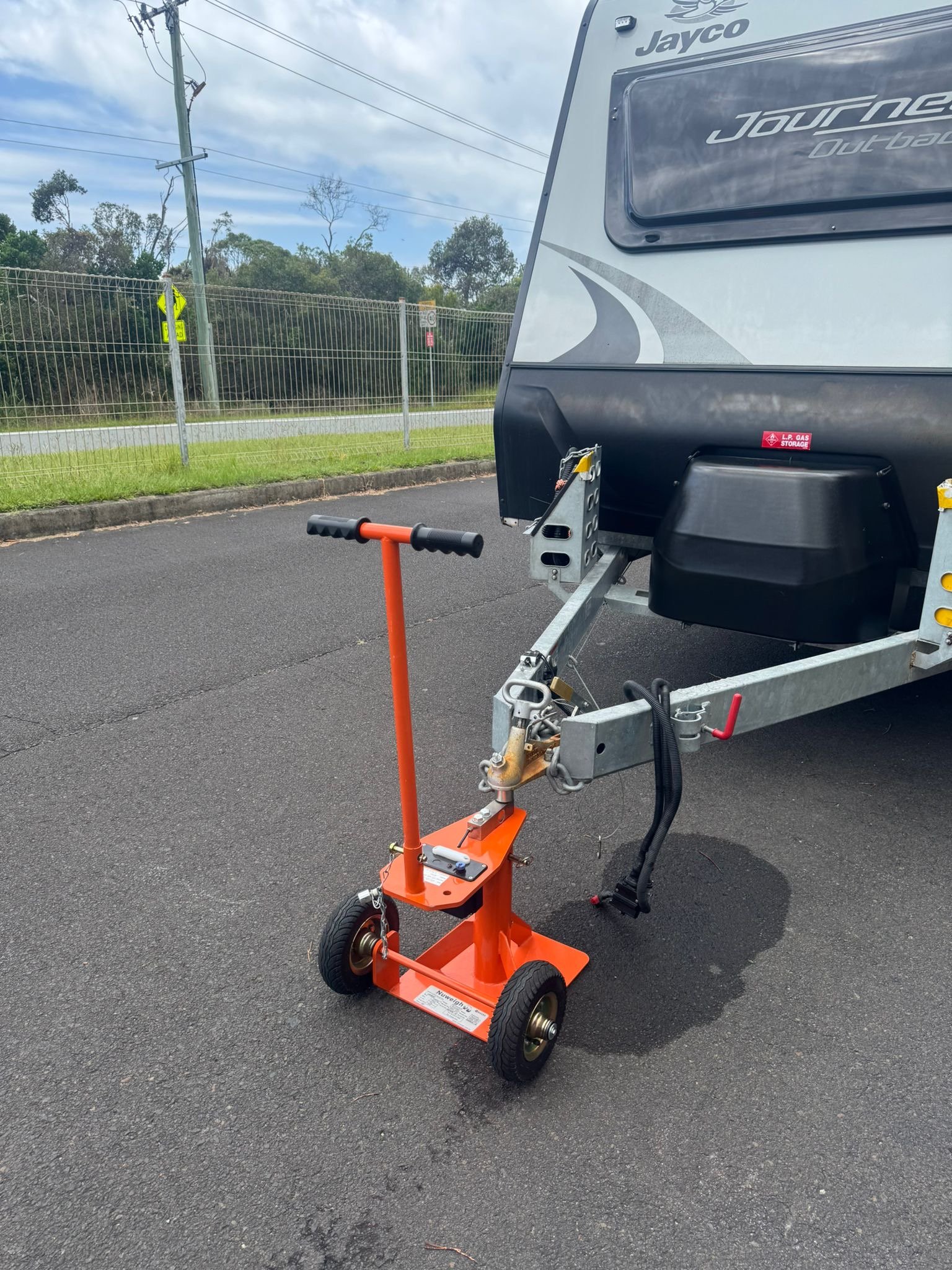
Tow Ball Weight, sometimes called ball loading or ball mass, is the downward force your caravan places on the tow ball of your vehicle.
This weight forms part of your tow vehicle's Gross Vehicle Mass (GVM) and directly affects towing stability, steering and braking performance.
If the tow ball weight is too heavy, it can overload the rear axle of your tow vehicle and reduce steering effectiveness.
If it's too light, the caravan may become unstable and be more prone to sway.
Maintaining an appropriate tow ball weight is one of the key factors in achieving safe, balanced towing.
-
Every caravan and tow vehicle has axle weight limits determined by the manufacturer.
These limits ensure the suspension, wheels, bearings, brakes and tyres operate safely under normal driving conditions.
Even if your caravan is below its maximum legal weight, one axle can still become overloaded if the load is distributed unevenly.
Professional weighing can identify whether excessive weight is being carried by a particular axle, allowing adjustments to be made before travelling.
Proper axle loading helps improve tyre life, braking performance and towing stability.
-
Every caravan manufactured for use on Australian roads is fitted with a compliance plate.
This plate contains valuable information including:
Aggregate Trailer Mass (ATM)
Gross Trailer Mass (GTM)
Tare Mass (where applicable)
Vehicle Identification Number (VIN)
Manufacturer details
Date of manufacture
The compliance plate provides the manufacturer's certified weight ratings and should always be used as the reference point when determining your caravan's legal operating limits.
Understanding the information on your compliance plate is an important step towards safe and compliant towing.
-
ATM (Aggregate Trailer Mass) and GTM (Gross Trailer Mass) are closely related but measure different things.
ATM is the caravan's maximum legal weight when it is standing on its own wheels and jockey wheel, without being attached to the tow vehicle.
GTM is the weight supported by the caravan's axle or axles once the caravan is connected to the tow vehicle.
The difference between the two is the weight transferred to the tow vehicle through the tow ball, commonly known as Tow Ball Weight.
Understanding the difference is important because both limits must be respected to ensure your caravan remains safe and compliant.
-
Many caravan owners assume that staying below their ATM means everything is legal.
Unfortunately, that's not always the case.
Your caravan could still exceed:
Gross Trailer Mass (GTM)
Individual axle limits
Tow ball weight limits
Likewise, even if the caravan itself is compliant, the additional tow ball weight may overload your tow vehicle.
This is why a complete weighing assessment is far more valuable than checking a single weight figure.
-
Yes. This is actually one of the most common issues identified during professional caravan weighing.
Your caravan and tow vehicle each have their own independent weight limits.Even when the caravan complies with all of its legal ratings, the tow vehicle can still exceed its Gross Vehicle Mass (GVM) because of:
Passengers
Fuel
Bull bars
Canopies
Roof racks
Recovery gear
Luggage
Toolboxes
Tow ball weight
Many owners focus solely on the caravan and overlook how much weight the vehicle itself is carrying.
Professional weighing assesses both vehicles together to identify these hidden compliance issues.
-
Yes. Every manufacturer weight limit must be respected to ensure your towing combination remains legal and safe.
Caravan compliance isn't about meeting just one weight limit.Your towing combination must comply with every applicable manufacturer specification, including:
ATM
GTM
GVM
GCM
Tow ball weight
Axle weight limits
Exceeding just one of these limits may compromise safety, increase mechanical stress and place your vehicle outside the manufacturer's intended operating specifications.
Professional weighing provides confidence that all relevant limits have been assessed together.
-
Tow vehicle Gross Vehicle Mass (GVM) is one of the most commonly exceeded weight limits, often without owners realising it.
Many caravan owners carefully consider the weight of their caravan but overlook the impact of everything carried in the tow vehicle.Passengers, luggage, accessories, recovery equipment, additional fuel tanks and tow ball weight all contribute towards the vehicle's GVM.
It's quite common for the caravan to remain within its legal limits while the tow vehicle exceeds its allowable weight.
This highlights why weighing only the caravan rarely tells the full story.
-
Yes. Every passenger contributes towards your tow vehicle's Gross Vehicle Mass (GVM).
Passengers form part of your vehicle's legal carrying capacity.This includes:
Adults
Children
Babies
Pets (where carried within the vehicle)
Along with passengers, items such as luggage, recovery equipment, food, camping gear and accessories also contribute towards your vehicle's GVM.
Many owners underestimate how quickly these everyday items accumulate, particularly before extended holidays.
-
Yes. Every accessory fitted to your caravan or tow vehicle contributes towards its overall weight.
Modern touring setups often include numerous accessories that weren't part of the original factory specification.Examples include:
Bull bars
Winches
Roof racks
Awnings
Solar panels
Lithium batteries
Bike racks
Toolboxes
Drawer systems
Long-range fuel tanks
Although individual accessories may appear relatively light, together they can add several hundred kilograms to your towing combination.
Professional weighing accurately measures the impact of these modifications.
-
Yes. Water is surprisingly heavy and can significantly increase your caravan's travelling weight.
Water weighs approximately one kilogram per litre.This means:
A 100-litre water tank adds approximately 100 kilograms.
Two full tanks can add around 200 kilograms.
Additional drinking water and portable containers further increase your payload.
Travelling with full water tanks is often necessary for remote travel, but it's important to understand how this affects your available payload and overall compliance.
-
Not automatically. Suspension upgrades may improve vehicle performance, but they generally do not increase your legal weight limits unless they form part of an approved engineering upgrade.
Many caravan owners fit upgraded suspension to improve ride quality or towing performance.While these upgrades may enhance handling and comfort, they do not automatically change the manufacturer's Gross Vehicle Mass (GVM), Aggregate Trailer Mass (ATM) or other certified weight ratings.
Only approved engineering modifications that comply with relevant regulations can legally alter certain weight limits. Before assuming your legal carrying capacity has increased, always confirm the approved ratings for your specific vehicle or caravan.
-
Yes. Any significant accessory or modification can change your caravan's weight and balance.
Accessories such as lithium battery systems, solar panels, air conditioners, toolboxes, bike racks, storage boxes and additional water tanks all add weight.Even if each individual item seems relatively light, their combined effect can significantly reduce your available payload and alter your weight distribution.
Having your caravan professionally weighed after major modifications ensures you understand how these changes have affected your towing combination.
-
Often, yes. Careful packing and removing unnecessary items can significantly reduce your travelling weight.
Many caravans carry equipment that is rarely or never used.Reviewing your packing regularly can identify opportunities to remove duplicate tools, excess kitchen items, unnecessary spare parts or equipment that isn't required for your style of travel.
In some cases, simply travelling with less water when appropriate or relocating heavier items can improve both compliance and towing performance without sacrificing comfort.
-
Because where the weight is carried can affect stability, steering, braking and towing performance just as much as the total weight itself.
A caravan can technically remain within its legal weight limits yet still tow poorly if heavy items are positioned incorrectly.Uneven loading may increase tow ball weight, overload an axle or make the caravan more susceptible to sway.
Good weight distribution helps maintain predictable handling, improves braking performance and reduces unnecessary stress on the caravan and tow vehicle.
Professional weighing helps identify both weight and balance issues.
-
Yes. Understanding your weight distribution and legal limits can help improve towing stability and overall vehicle performance.
Professional weighing is about more than simply determining whether your caravan is overweight.By assessing your complete towing combination, Paul can identify practical opportunities to improve balance and loading.
Sometimes relatively small changes to how equipment is packed can improve towing stability, reduce stress on suspension components and create a more comfortable driving experience.
-
One of the biggest misconceptions is that staying below your caravan's towing capacity automatically means your entire towing combination is legal.
Many caravan owners concentrate solely on the advertised towing capacity of their vehicle.However, towing compliance involves numerous other limits, including:
Gross Vehicle Mass (GVM)
Gross Combination Mass (GCM)
Aggregate Trailer Mass (ATM)
Gross Trailer Mass (GTM)
Tow ball weight
Axle weight limits
Every one of these ratings must work together.
Professional weighing assesses the complete picture rather than relying on a single number.
-
Terms such as ATM, GTM, GVM and GCM may initially appear confusing, but they each play an important role in safe towing.
Understanding what these figures mean allows you to:
Pack more confidently.
Recognise your vehicle's limitations.
Make informed purchasing decisions.
Understand the effect of modifications.
Improve towing safety.
Reduce unnecessary wear on your equipment.
Travel with greater confidence.
Combined with a professional weighing assessment from Probalance Caravan Weighing, understanding these terms removes the guesswork from towing and helps ensure your caravan adventures begin with confidence, safety and peace of mind.
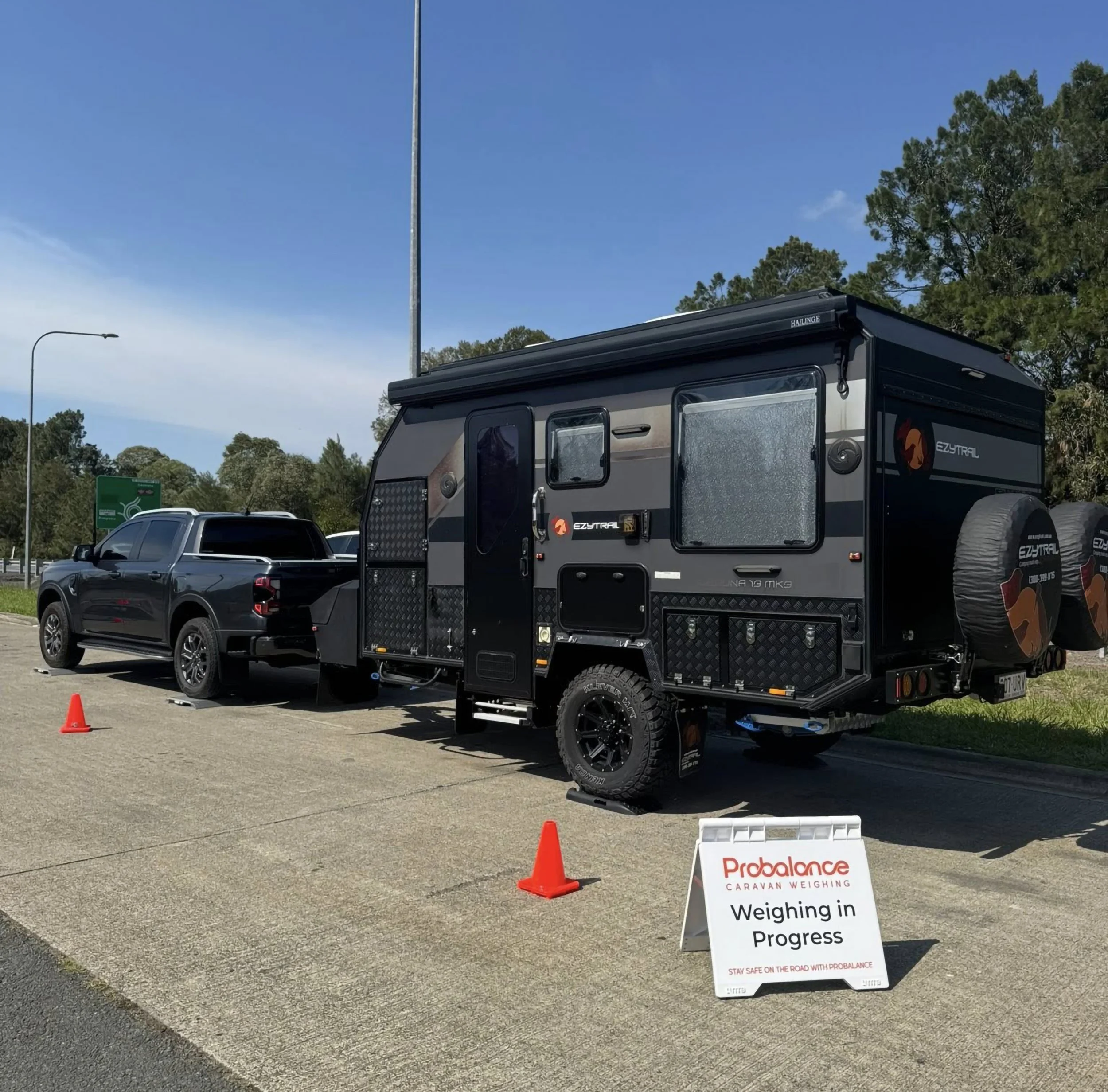
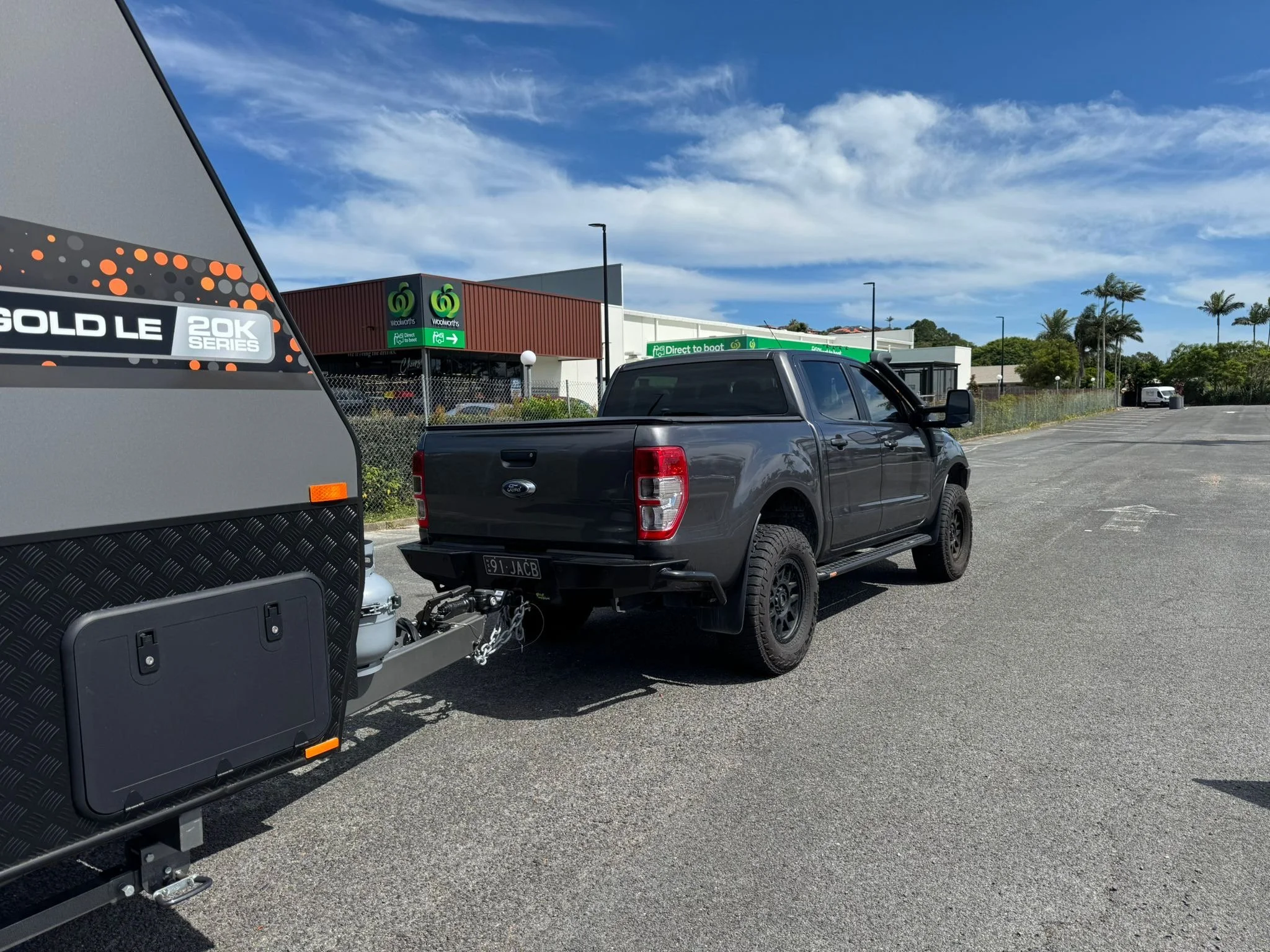
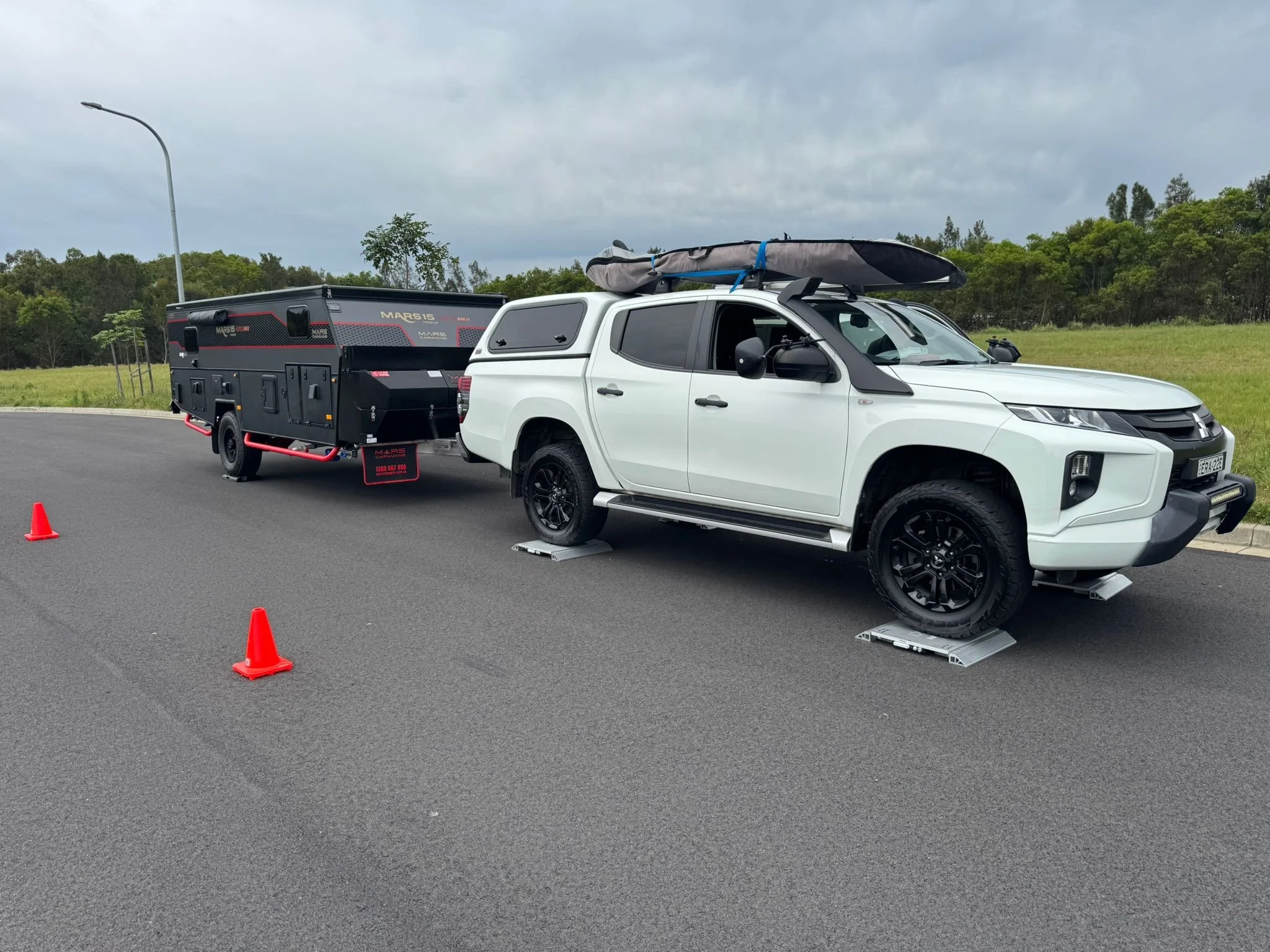
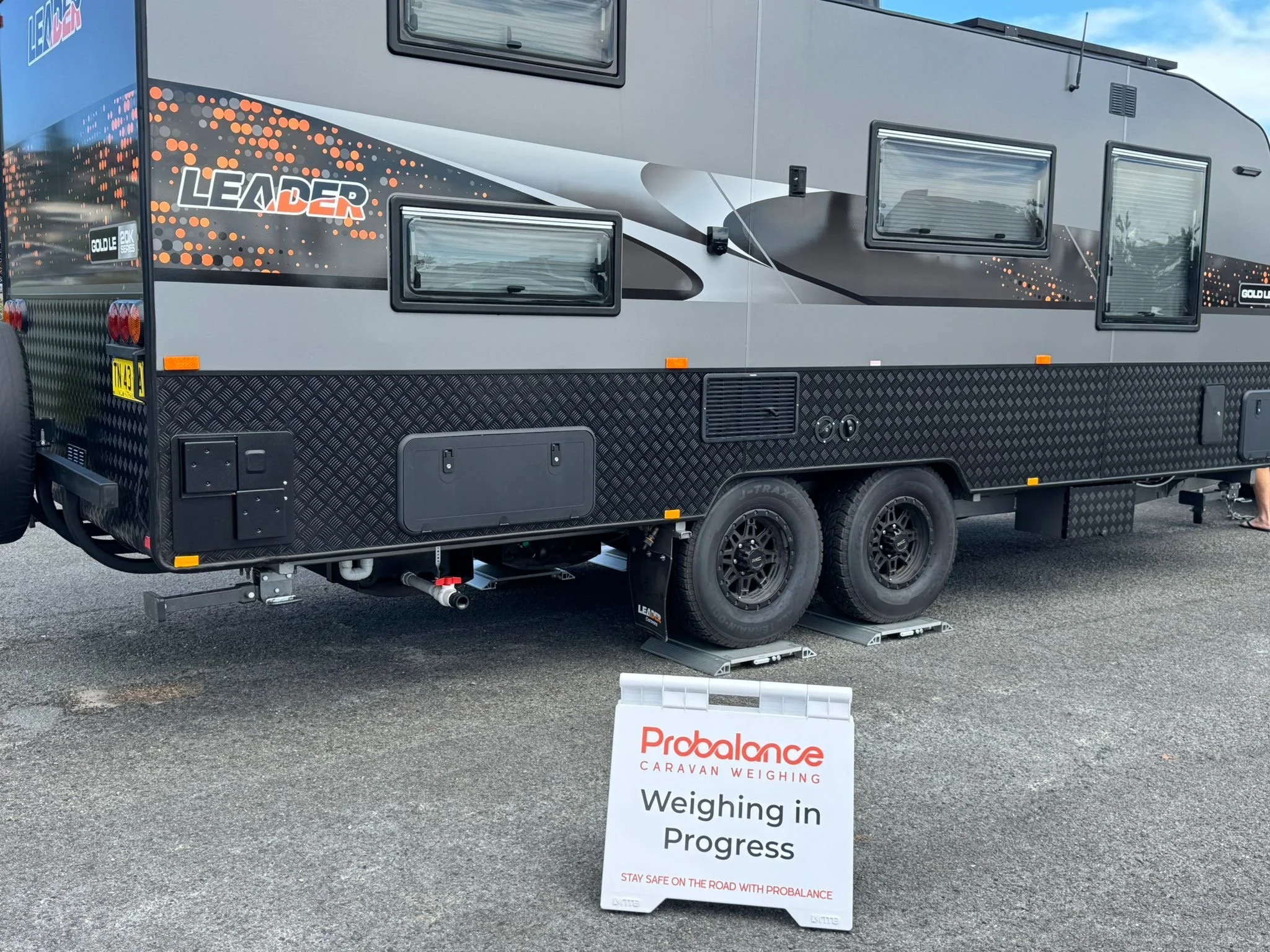
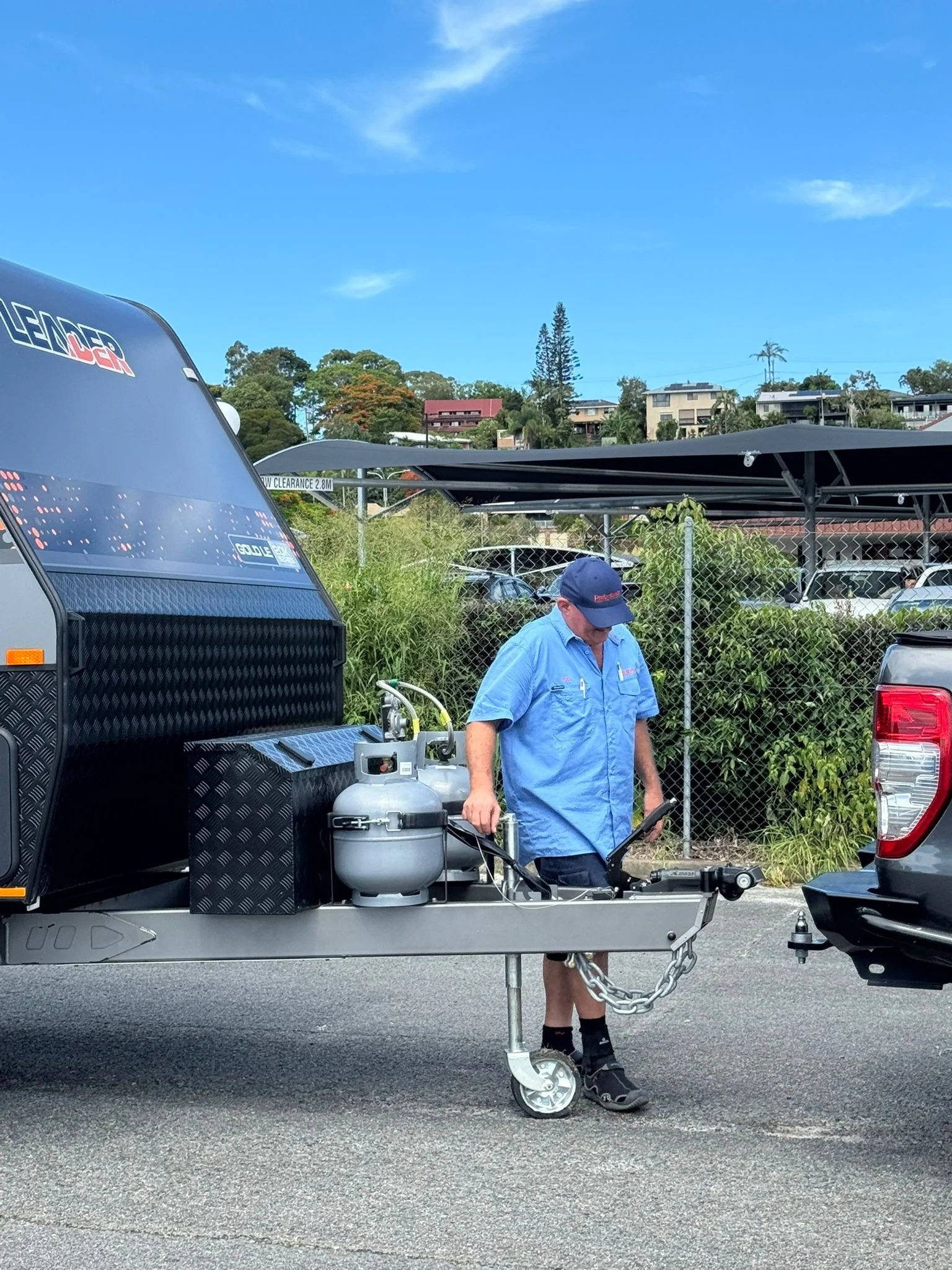
One of the advantages of choosing Probalance Caravan Weighing is the convenience of a fully mobile service. Rather than requiring you to travel to a weighing station, Paul brings professional weighing equipment directly to a mutually convenient location. Whether that's your home, workplace, storage facility, caravan park or another suitable location, the weighing can usually be completed where your caravan is already prepared for travel. This means the assessment reflects your real travelling conditions, providing more meaningful and accurate results.
Following the assessment, you'll have a much clearer understanding of how your towing combination performs and whether any adjustments are recommended. If your setup exceeds any legal limits, you'll have the information needed to make informed decisions about reducing weight, redistributing loads or making other practical changes before you travel.
Ultimately, professional caravan weighing provides confidence. Instead of wondering whether you're towing safely or legally, you'll know exactly where your towing combination stands. That peace of mind allows you to focus on what caravanning is all about—enjoying Australia's incredible destinations knowing you've taken an important step towards protecting yourself,
your passengers and everyone else sharing the road.
-
Probalance Caravan Weighing provides professional mobile weighing services that help caravan owners understand their towing setup, improve safety and travel with greater confidence.
At Probalance Caravan Weighing, the focus isn't simply on recording numbers, it's on helping caravan owners understand what those numbers actually mean.By assessing your complete towing combination and explaining the results in plain English, Paul provides practical advice that helps improve safety, legal compliance and confidence on the road.
With the convenience of a fully mobile service, accurate weighing equipment and personalised recommendations, Probalance makes it easier to prepare your caravan for safe and enjoyable travel.